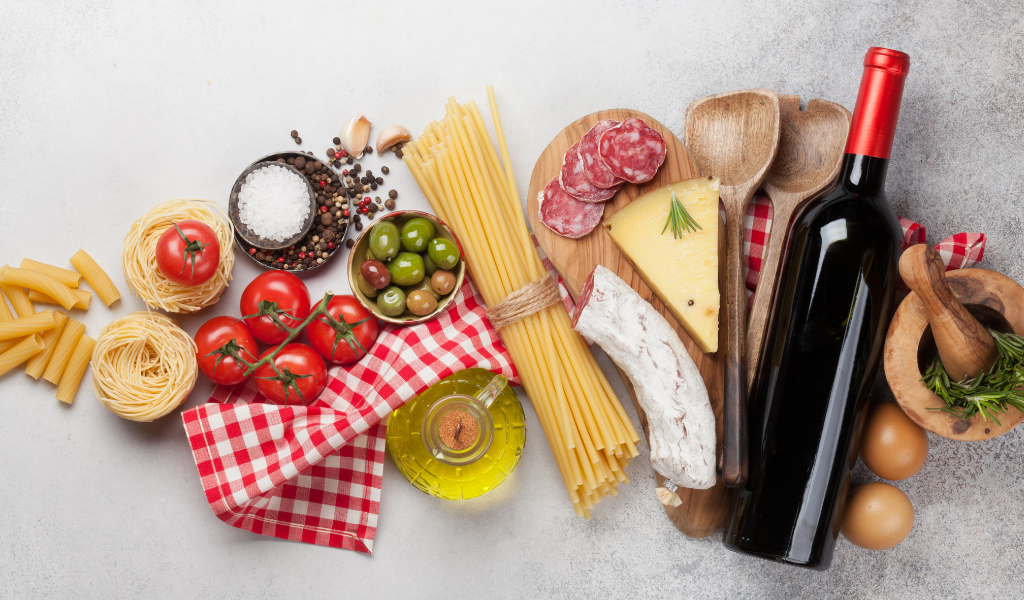
There are places in Italy where food is not just nourishment, but identity. Lazio is one of them. Here, pasta is deeply personal. It tells stories of family kitchens, early mornings at the market, and simple ingredients treated with absolute respect. Roman pasta dishes are not complicated to recreate but every detail matters. The cut of the guanciale, the sharpness of the pecorino, the quality of the pasta itself. When done right, these dishes don’t just feed you, they take you in Rome.
For Italians living abroad, and for anyone who has fallen in love with Roman cuisine, recreating these classics at home is a way to reconnect with that feeling.
Four Roman Classics, One Culinary Soul
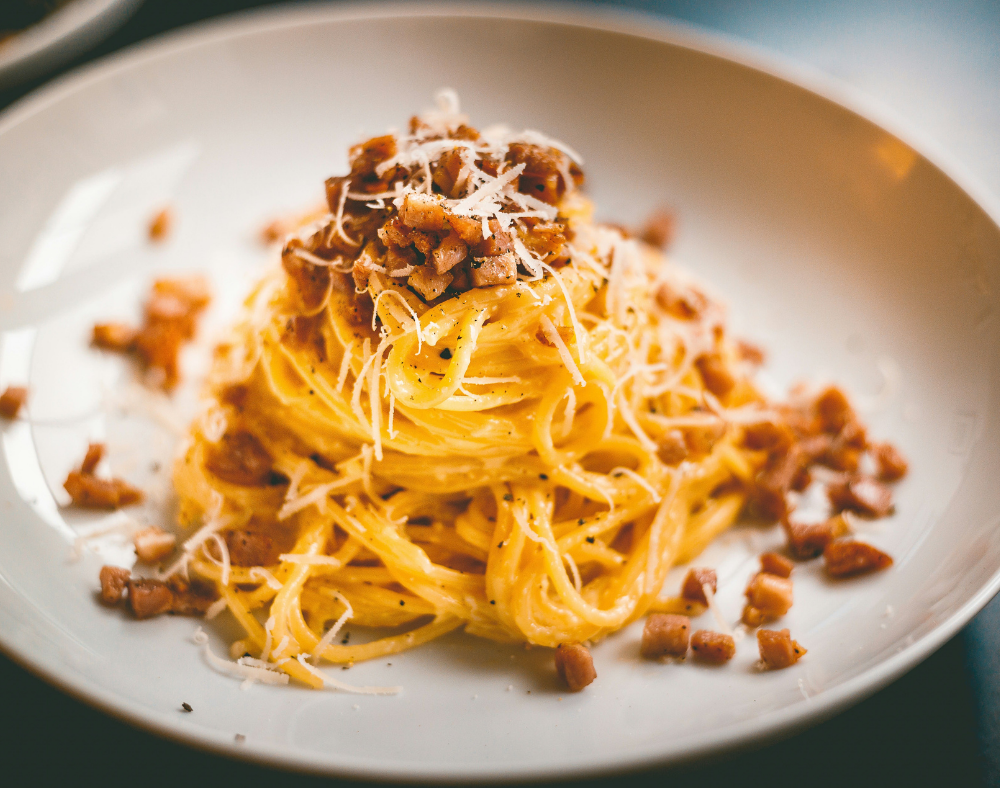
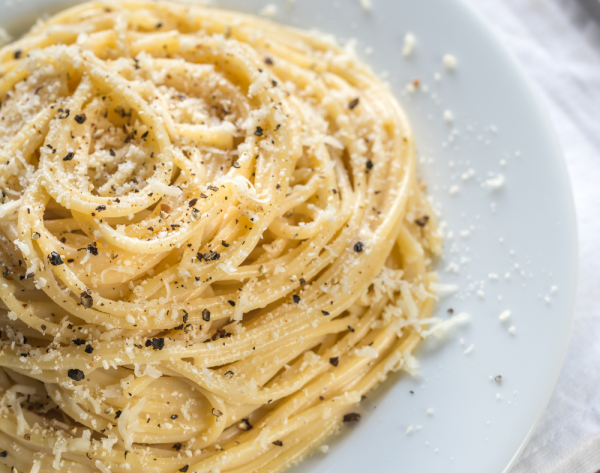
Roman tradition is built around four iconic pasta dishes: Carbonara, Amatriciana, Gricia, and Cacio e Pepe. Each one uses very few ingredients but each one carries a strong personality and identity. Carbonara is the most famous and known by people around the world. Made with spaghetti, guanciale, pecorino romano, egg yolks, and black pepper, it create a combination that can be defined as rich without excess. The key lies in the balance between the salty crunch of guanciale and the sharp, savoury notes of pecorino romano. Using authentic italian ingredients is non-negotiable. Pancetta and parmesan simply change the soul of the dish making it with no soul and identity. Amatriciana adds tomato to the equation. A good tomato passata, combined with guanciale and pecorino romano, creates a sauce that is bold, comforting, and deeply traditional. It’s the taste of semplicity, born in the small town of Amatrice and embraced by the capital. Gricia is often described as the “white Amatriciana”. No tomato, just guanciale, pecorino romano, black pepper, and pasta. It’s raw, intense, and incredibly satisfying. Then there is Cacio e Pepe, the most minimal of all, but the hardest to master. Just pecorino romano, black pepper, pasta water, and perfectly cooked pasta. When emulsified correctly, it becomes pure magic.